Over the years, Call of Duty has steadily shifted toward a much faster, more mechanically demanding style of play. Comparing recent entries like the latest Black Ops and Modern Warfare titles to the older generation from more than a decade ago makes that evolution obvious. Movement has become faster, health pools feel lower, and map design has trended toward tighter, more compact layouts. The overall effect is constant engagement — there’s rarely a moment of downtime, and every match pushes players into near-constant encounters.
For many players, this direction makes perfect sense. The modern version of Call of Duty rewards mechanical mastery: slide-canceling, omni-directional movement, wall jumps, and rapid repositioning are no longer optional skills if you want to consistently perform at a high level. The skill gap has widened, but so has the pace. For a younger audience that thrives in high-intensity gameplay loops, this structure keeps matches exciting and immediately rewarding.
But there’s another side to that evolution. Players who grew up with the slower, more tactical era of Call of Duty often feel left behind. The older rhythm of the game—more deliberate movement, clearer engagements, and longer setup moments—has largely disappeared from mainstream playlists. As a result, a segment of the community has been waiting for a mode that brings back that original feel without abandoning modern infrastructure entirely.
That’s where the new Black Ops 7 Classic playlist changes everything.
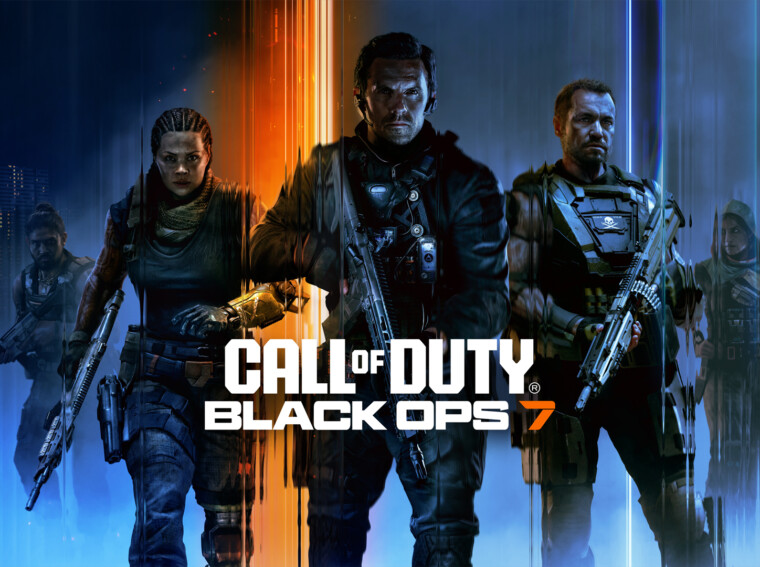
At the start of Season 4, Treyarch introduced the “Black Ops Classic” playlist, described in-game as a return to a “boots-on-the-ground Black Ops multiplayer experience.” The concept is simple, but the impact is significant: it deliberately strips away many of the modern movement systems and layered mechanics that define today’s multiplayer.
Omnimovement is disabled, meaning no sliding chains, no wall jumps, and no advanced traversal mechanics. Sprinting is more limited, forcing players to commit more carefully to positioning. The playlist focuses on a curated set of core modes — Team Deathmatch, Domination, Hardpoint, and Kill Confirmed — keeping the experience grounded in familiar competitive formats.
Map selection also leans heavily into nostalgia. Instead of only new arenas, the rotation includes remastered fan-favorite maps such as Firing Range, Raid, and Summit. These maps are designed around readability and control rather than vertical chaos or extreme mobility, which naturally slows down the pace of engagements.
A similar approach extends to gameplay systems. Overclocks, combat specialties, and a wide range of modern perks, scorestreaks, and equipment are disabled or heavily restricted. What remains is a more stripped-down version of multiplayer — closer in spirit to classic Black Ops design philosophy, where gunskill, positioning, and timing matter more than movement exploits or ability stacking.
The result is a noticeably different rhythm of play. Matches feel more deliberate. Gunfights last slightly longer. Players are more readable in engagements. Techniques like drop-shotting regain relevance because the movement ceiling is no longer dominating every interaction. Instead of constant vertical and lateral chaos, the focus returns to map control, prediction, and smart rotations.
It won’t appeal to everyone. The modern Call of Duty audience has largely grown accustomed to fast movement systems and layered mechanics that reward aggressive flow-based gameplay. For those players, the Classic playlist may feel restrictive or even simplified. But for others — especially long-time fans who drifted away as the series accelerated — this mode feels like a return to form.
Community reaction reflects that divide clearly, but the enthusiasm is hard to ignore. Across social platforms and forums, many players describe the playlist as the most enjoyable version of Call of Duty they’ve experienced in years. Some highlight how refreshing it feels to play without constant movement tech dominating every encounter. Others argue it should become a permanent fixture rather than a limited-time experiment.
Interestingly, this resurgence of interest in a slower-paced format arrives alongside growing rumors about remasters of older titles in the series, including both Call of Duty: Black Ops and Call of Duty: Black Ops II. Recent database listings discovered via PlayStation infrastructure, as reported by community trackers, have fueled speculation about possible modern re-releases. However, details remain unclear — including whether these would include full campaigns, multiplayer components, zombies modes, or some combination of all three.
For now, nothing official has been confirmed, and the community remains in a holding pattern of speculation.
Still, the Black Ops Classic playlist fills that gap effectively. It captures a version of Call of Duty that many players have been missing without requiring a full remaster or separate title. It trims away the excess systems, restores a more readable combat flow, and re-centers the experience around core gunplay.
And for a segment of the player base that felt pushed aside by the constant acceleration of the franchise, that shift is more than just a novelty — it feels like a reminder of why they started playing in the first place.